
Root Canal Therapy – Attleboro, MA
Save Your Tooth and Stop Your Pain Today
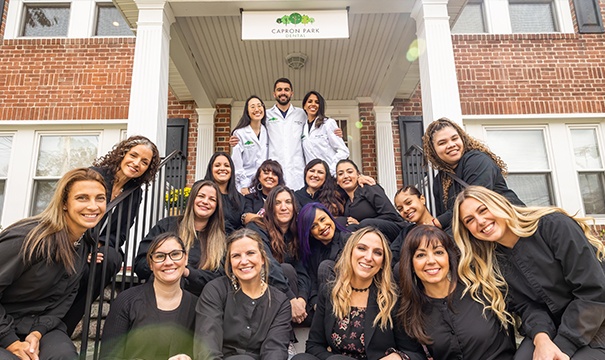
Do you have a tooth giving you grief? If a reoccurring or lingering toothache is keeping you awake at night, don’t have your tooth pulled out. Instead, your dentist may be able to save it with root canal therapy in Attleboro, MA. Although they have a bad reputation for being painful, Capron Park Dental uses the latest innovations in dentistry, so the procedure is no worse than a traditional filling.
Why Choose Capron Park Dental for Root Canal Therapy?
- Soft Tissue Laser Available
- Calming and Modern Dental Office
- Tooth-Colored Restorations Provided
What is a Root Canal?

A root canal is one of the most common treatments in restorative dentistry, but it’s only recommended when there aren’t any other solutions to save a tooth. The endodontic procedure removes the innermost layer of a tooth, called the pulp. Although the pulp is necessary while your tooth is still forming, it can survive without it after it’s fully formed. Once we’ve extracted the pulp and cleaned out your tooth, we’ll place a customized cap over it to protect it from further damage while also restoring its appearance and function.
Do I Need a Root Canal?
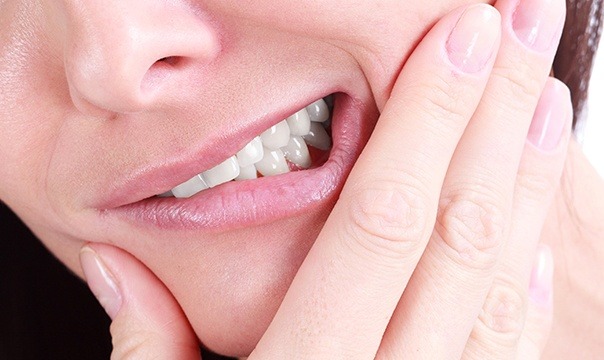
A root canal is most often needed if a cavity has been left untreated. During the earliest stages of decay, it only affects the hard outer layer of your tooth, called the enamel. If it’s not treated quickly, it will continue deeper into your tooth until it reaches the dentin, which contains tiny of small tubes connecting to the pulp. At this point, your tooth can be treated with a filling. Unfortunately, if it isn’t corrected right away, the decay will eventually reach the pulp.
Now, you will likely experience dental pain, which can become progressively worse or it can come and go. You may also experience other symptoms as well, such as:
- Darkening of your tooth.
- Lingering tooth sensitivity.
- Pain when putting pressure on your tooth.
- Pimple-like bump appearing on the gum near the tooth.
What Can I Expect with a Root Canal?

Root canal therapy usually takes two appointments to restore your tooth back to its previous state. During your first visit, a local anesthetic is used to ensure your comfort as any areas of decay are removed using special dental tools. The pulp is also extracted before your tooth is sterilized and sealed using a special material called gutta-percha.
Your tooth is reshaped, and an impression is taken to create your custom-made crown. The dental lab carefully crafts the restoration to look just like your natural tooth, so no one will be able to tell it is there. This can take a couple of weeks, so we’ll need to attach a temporary crown while you wait. After the lab sends your crown back to the dental office, we return for your second appointment to have it bonded in place.
After your root canal, it’s normal for your tooth to be tender. Avoid chewing on it until you receive your permanent crown. You can manage any pain or discomfort using over-the-counter pain relievers.
Save Your Smile Today!

You don’t need to have your tooth extracted. We can save it with root canal therapy. Contact our dental office today to schedule your consultation.
Understanding the Cost of Root Canals

While your tooth may need a root canal, the treatment price could still worry you. You don’t want to commit to something you can’t afford, right? That said, the cost of root canals varies by patient; you’ll need to consult our dentists for a precise estimate. We’ll also work to keep your treatment within budget, guiding you through its pricing factors, payment options, and more. Learn the details by reading below or call us really soon!
Factors That Can Affect Root Canal Cost

At the initial consultation, our dentists will closely assess your tooth. Doing so lets them check the factors that affect your root canal’s final cost. In particular, these elements are:
- Tooth Type or Location – Depending on a tooth’s type or location, its root canal may cost more or less. The reason why is that different teeth have varying numbers of roots.
- Root Canal Complexity – Simple root canals aren’t that pricey, while complex ones can get expensive. Those in the second category can even require help from outside specialists.
- Additional Services – You may need a dental crown (or filling) after your root canal. If so, your overall treatment price will increase.
Is it Cheaper to Pull My Tooth?
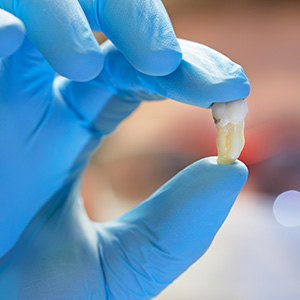
At first glance, tooth extraction may seem cheaper than a root canal; removal costs less upfront. However, the second treatment is much more cost-effective in the long run.
You see, tooth loss (from an extraction or not) has various harsh effects. A big one is that the smile gap it causes will change your bite and shift other teeth around. Similarly, this gap is a breeding ground for bacteria that cause tooth decay and gum disease. When you combine these outcomes with later restorative work, the removal would greatly strain your finances.
On the other hand, a root canal saves both your tooth and your money. That’s why you should get one before an extraction becomes necessary.
Does Dental Insurance Cover Root Canal Treatment?
Dental insurance often covers root canal treatment, which is considered a major procedure. The result is that most plans cover anywhere from 50 to 80% of the cost. Of course, this coverage assumes you’ve paid your yearly deductible and/or maximum.
Even so, please note that every plan is different. Your dental insurance may have its own unique guidelines for root canal coverage. Therefore, confirm your benefits with your plan provider before treatment. Our office can even help you with that process.
Other Options for Making Root Canal Treatment Affordable

Even without insurance, a root canal can still be affordable. All you need to do is rely on our office’s unique payment options! Here at Capron Park Dental, we offer services like:
- Dental Care Plans – For a low monthly fee, you can join one of our practice’s dental care plans. These arrangements could give you a 15% discount on root canal treatment.
- Flexible Financing – Capron Park Dental is proud to work with Wisetack, a reputable 3rd party financier. They would let you pay for a root canal in manageable monthly installments, each of which has little or no interest.
Clearly, your root canal doesn’t have to be too pricey for your budget. Learn how to finance it by seeing us for a consultation!
Root Canal FAQs
What should I do before a root canal?
Before your appointment, it is recommended that eat a healthy meal if you do not plan to receive sedation. This will ensure you are full, as you may not feel like eating for a while after your procedure. You’ll also want to avoid any alcohol or tobacco, as it has the potential to interfere with anesthesia. When meeting with our team to discuss your upcoming root canal in Attleboro, we may suggest taking an over-the-counter pain reliever before you arrive so that it minimizes any slight discomfort you might feel after the numbness dissipates.
Also, you’ll want to remember to get adequate sleep the night before as well as the evening after your root canal. This allows for a healthier immune system, which will only help with the healing process.
How long do root canals last?
One of the benefits of root canal treatment is that it has a high success rate. Most cases show that patients can chew without any issues for decades, even a lifetime. However, you will need to be mindful of how well you take care of your tooth after your root canal is complete. This can determine how long it will last. Other factors such as the damage to the affected tooth and the time between wearing a temporary crown and receiving the permanent one can also determine its longevity.
Do I need antibiotics before or after my root canal?
Our team at Capron Dental Park is unlikely to prescribe any form of antibiotics before or after your root canal. The only reason you might receive them beforehand is if you suffer from a health condition that increases your risk for infection after a procedure. You can trust that your dentist in Attleboro will discuss your medical history early on so that we can better understand and determine if antibiotics might be necessary.
Are root canals safe?
Yes, root canals are safe procedures. Although many rumors have spread throughout the years stating that they can increase your risk for different medical conditions, there is no evidence to this claim. Instead, the American Association of Endodontists (AAE) has officially debunked it.
The success rate of root canals is around 95%, and most individuals live the rest of their life experiencing no problems or issues. While many try to claim that they cause pain, they do not! Removing the infected pulp actually alleviates the discomfort, so once again, the myth that they are painful procedures is false.
Do I Still Need a Root Canal if My Toothache Went Away?
You might feel a bit perplexed if the excruciating toothache you’ve been dealing with goes away seemingly overnight. Because teeth cannot heal themselves, the change in symptoms is often the result of something more dire: the infection has “killed” the nerve. While this does mean the dull, persistent throbbing or sharp, stabbing pain will subside, it also means there is only a small window of time left to save your tooth. So, it’s of the utmost importance that you don’t cancel or postpone your appointment with us any longer.
How Much Pain is Normal After a Root Canal?
While we work to eliminate the infection, your mouth will be completely numb. A few hours after you return home, you’ll begin to regain sensation in your mouth and, at that point, it’s normal to experience soreness and sensitivity. Don’t worry – that’s where the aftercare instructions we give you come in. Rinsing with warm saltwater, eating only soft, bland foods, and taking OTC pain medication as directed can alleviate any discomfort you’re experiencing relatively quickly.
Can Root Canals Be Prevented?
Typically, yes! That’s why we do our best to encourage healthy habits, like brushing twice a day, flossing consistently, and wearing a mouthguard during sports. It’s also important that you schedule a dental checkup and cleaning with us every six months. That way, your dentist in Attleboro can diagnose and treat cavities in the early stages, and your dental hygienist can remove any plaque and tartar that has accumulated since your last visit.
Do Root Canals Make You Sick?
There is no scientific evidence linking root canals with an increased risk of illness. Despite this, the belief that this emergency dental treatment can make you sick continues to persist. The claim that the two are correlated actually stems back to the 1920s, when a dentist named Dr. Weston Price claimed that his research found that root canals didn’t remove all of the bacteria, so it was better to remove the tooth. Not only was his research poorly designed, but his findings have been debunked for several decades now. That’s why it’s important to fact-check anything you’ve heard with your dentist!
Why Do I Need a Root Canal if My Tooth Doesn’t Hurt?
Intense tooth pain is one of the most common warning signs that a root canal is needed, but it isn’t the only one. Dark discoloration on the tooth, persistent sensitivity, and a pimple-like bump on the gums are also symptoms of a badly decayed or damaged tooth. Plus, if the infection is left alone to progress, it can “kill” the nerve, rendering it unable to register pain.
How Can I Make Root Canal Treatment More Affordable?
Usually, patients are worried about two things: pain and price. Rest assured, we will do our part to ensure the process of eliminating the infection is pain-free and that navigating the price is headache-free. Regarding the latter, we welcome dental insurance, we have an in-house savings plan, and we welcome flexible financing with Wisetack. If you would like more details on any of these financial solutions, simply give us a call!